What is the difference between direct Emailing and spam?
Direct email goes to people who asked to hear from you, spam does not: the differences, why consent matters, and how to tell them apart.
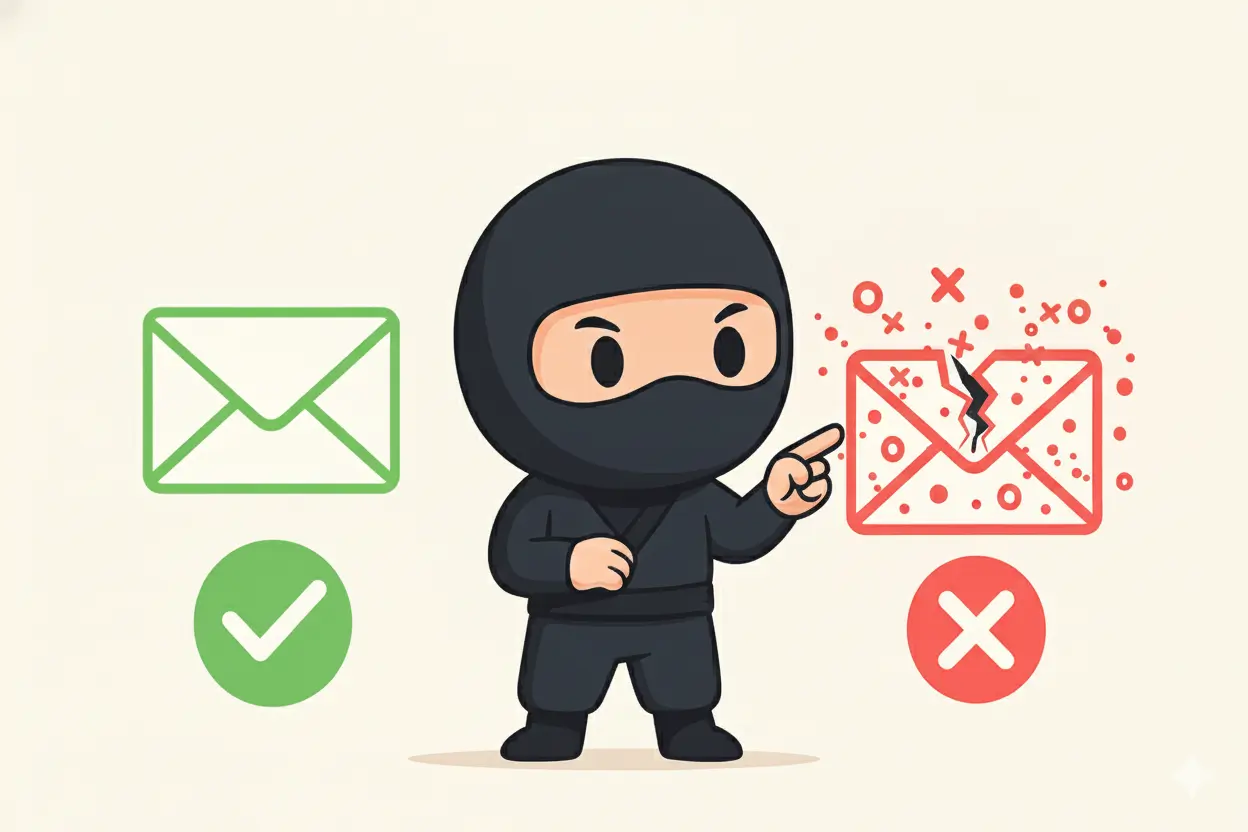
Direct emailing and spam might look similar at first glance, but they are not the same. One is a helpful way to reach people who want your message. The other is unwanted, annoying and often unsafe. Many people feel confused when they receive emails from new senders, and it can make them worry about what is real and what is not. Understanding the difference helps you feel more in control and more confident each time you open your inbox.
What Direct Emailing Means
Direct emailing is when you send messages to people who expect to hear from you. These people gave their email address willingly. They signed up, made an inquiry or asked for updates. Direct emailing feels personal and respectful because the sender follows clear rules and communicates with care.
Direct emailing focuses on trust. It gives information that helps the reader. It also allows people to stop receiving messages at any time.
What Spam Means
Spam is an unwanted email that appears without your permission. You never asked for it. You never signed up for it. Spam often feels pushy, strange or risky. Many spam messages come from fake addresses, hidden locations or copied content. They can trick people into clicking unsafe links or sharing private information.

Spam ignores trust. It forces messages on people who did not ask for them.
Key Differences Between Direct Emailing and Spam
Here are simple differences that help you understand each type:
• Direct emails come from real senders who have your permission
• Spam comes without your consent
• Direct emails give helpful information
• Spam often feels suspicious or unsafe
• Direct emails let you unsubscribe easily
• Spam hides its identity or sends messages repeatedly
These differences show why direct emailing is safe and spam is not.
Point
Direct Emailing
Spam
Permission
Yes
No
Tone
Clear and respectful
Pushy or strange
Safety
Safe
Risky
Identity
Real sender
Hidden or fake
Unsubscribe
Yes
Usually no
Why Direct Emailing Works Better for Everyone
Direct emailing builds a real connection. The sender respects the reader. The reader trusts the sender. People are more likely to open and read messages when they feel safe. They respond more often because the message feels clear and honest.

Businesses prefer direct emailing because it reaches people who actually want the content. It also keeps communication clean and healthy.
Why Spam Is a Problem

Spam wastes time. It fills inboxes with unwanted noise. It also creates risk because many spam messages use fake addresses and unsafe links. People can lose money or private data if they respond to the wrong message. This is why spam filters exist. They try to catch unsafe emails before they reach anyone.
Spam damages trust and makes people wary of new messages.
How to Check If an Email Is Direct or Spam
There are simple signs you can look for:
• The sender name and address match
• The message feels calm and clear
• You remember signing up
• The link preview looks safe
• The email allows you to unsubscribe
• The message does not ask for sensitive information
If the email feels strange or appears from someone you do not know, trust your instincts.
You can also use a simple email checker tool like Mailtester Ninja to see if the sender address is real. This helps you avoid fake contacts and risky messages.
FAQ – What Is the Difference Between Direct Emailing and Spam with MailTester.Ninja
What is direct emailing?
Direct emailing refers to sending targeted, permission-based emails to recipients who opted in, aiming for relevant communication and good deliverability.
What is considered spam?
Spam refers to unsolicited mass emails sent without prior consent, often irrelevant, leading to high bounce rates, blocking or blacklisting.
How does MailTester.Ninja help avoid your messages ending up as spam?
MailTester.Ninja validates email addresses before sending which reduces bounce rate, avoids invalid or risky addresses, and improves sender reputation.
Why is recipient consent important for direct emailing?
Consent ensures the recipient expects your message, reducing complaints and increasing engagement a key factor distinguishing direct emailing from spam.
What risks come from sending spam instead of direct emails?
Sending spam increases bounce rates, hurts domain reputation, risks blacklisting, and lowers deliverability of future campaigns.
How can I ensure my email campaign stays compliant and effective?
Use MailTester.Ninja to verify recipients, send only to opted-in contacts, personalize content, and monitor engagement metrics for best results.